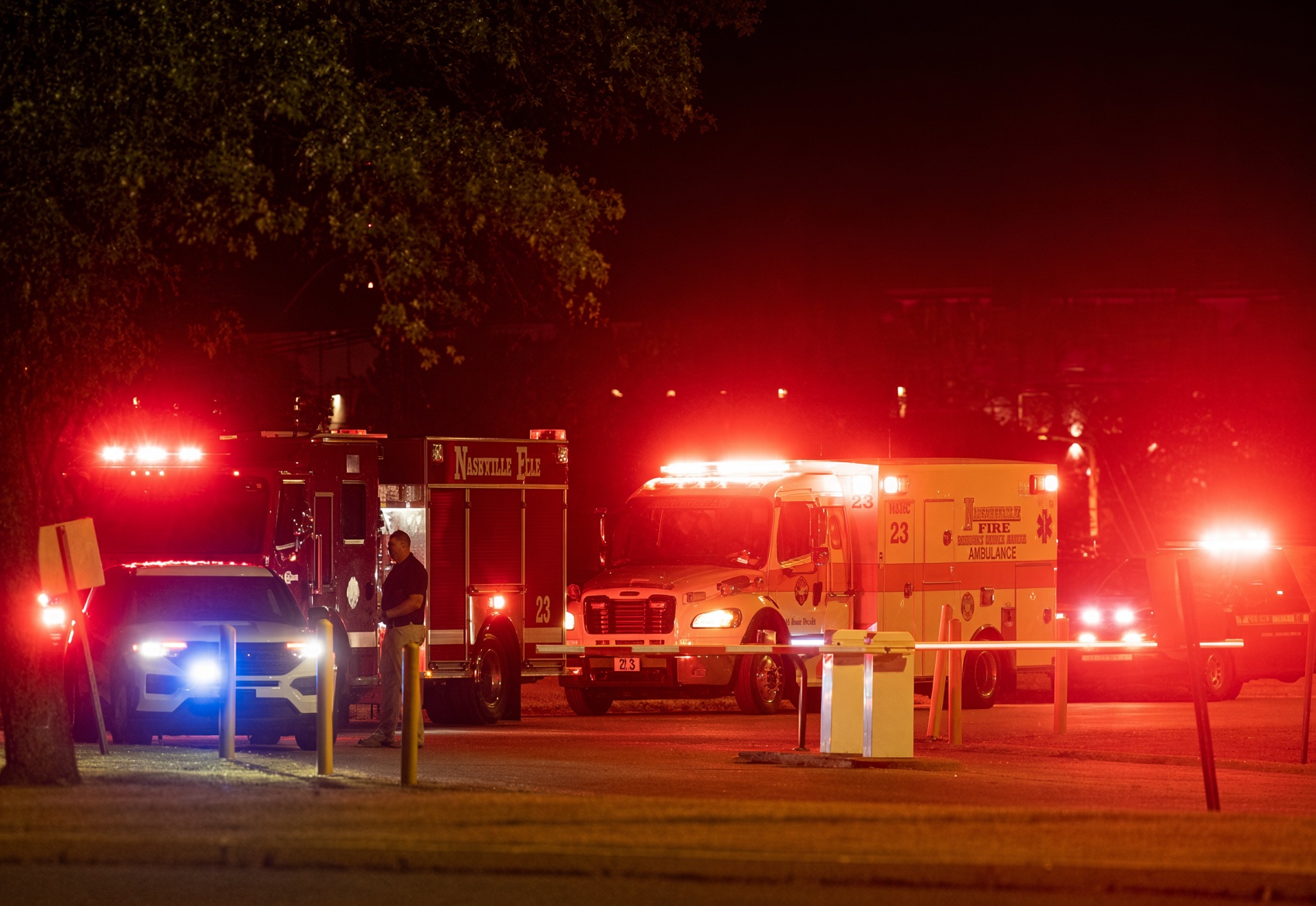
Christa Pike Remains Critically Ill After Failed Tennessee Execution as Questions Grow Over What Happens Next
Christa Pike remains critically ill in a Nashville hospital after surviving Tennessee’s failed attempt to execute her by lethal injection, according to a court filing from her attorneys on Friday.
Pike, 50, was unconscious, intubated and receiving breathing assistance from a ventilator as doctors continued treating her following Wednesday night’s execution attempt. Her lawyers said hospital staff were working to save her life and remove the effects of pentobarbital, the drug used in Tennessee’s lethal-injection protocol. They also reported significant injuries to both of her arms, which they said were swollen, burned and blistered when she arrived at the hospital.
The execution attempt at Riverbend Maximum Security Institution in Nashville involved two doses of pentobarbital. Pike survived both attempts and was later transported to a medical facility. Her attorneys have argued that problems involving intravenous access caused the drug to enter tissue rather than being properly delivered into her bloodstream. They have requested that state officials preserve records and other evidence connected to the execution while the circumstances are investigated.
The failed execution has also created an unusual legal and medical situation. Pike’s current condition raises questions about what could happen if she survives but remains unable to understand her circumstances. U.S. Supreme Court precedent has held that a person cannot be executed if they lack a rational understanding of why they are being put to death.
Tennessee Gov. Bill Lee has suspended executions for the remainder of 2026 and ordered an independent review of the failed procedure. The governor previously denied Pike’s request for clemency, which sought to have her death sentence changed to life imprisonment.
Pike was sentenced to death for the 1995 killing of 19-year-old Colleen Slemmer, a classmate at a Knoxville Job Corps program. Pike was 18 at the time of the crime and has spent decades on Tennessee’s death row.
For now, Pike remains hospitalized while medical professionals continue treating her injuries and critical condition. Her attorneys are pursuing legal action related to the execution attempt, while state authorities investigate what went wrong.
The case is expected to raise further legal questions about Pike’s medical condition, her constitutional rights and whether Tennessee can legally pursue another execution if she survives the current medical crisis. Those questions remain unresolved as the investigation and court proceedings continue.