Senate Advances Trump’s Pick for Director of National Intelligence as Section 702 Authority Hangs in the Balance
President Donald Trump is well into his second and final term, but his administration continues to work to fill several key positions across the federal government.
Among the most important vacancies is the director of national intelligence position, which became open after former DNI Tulsi Gabbard stepped down earlier this year to care for her husband, who was diagnosed with cancer.
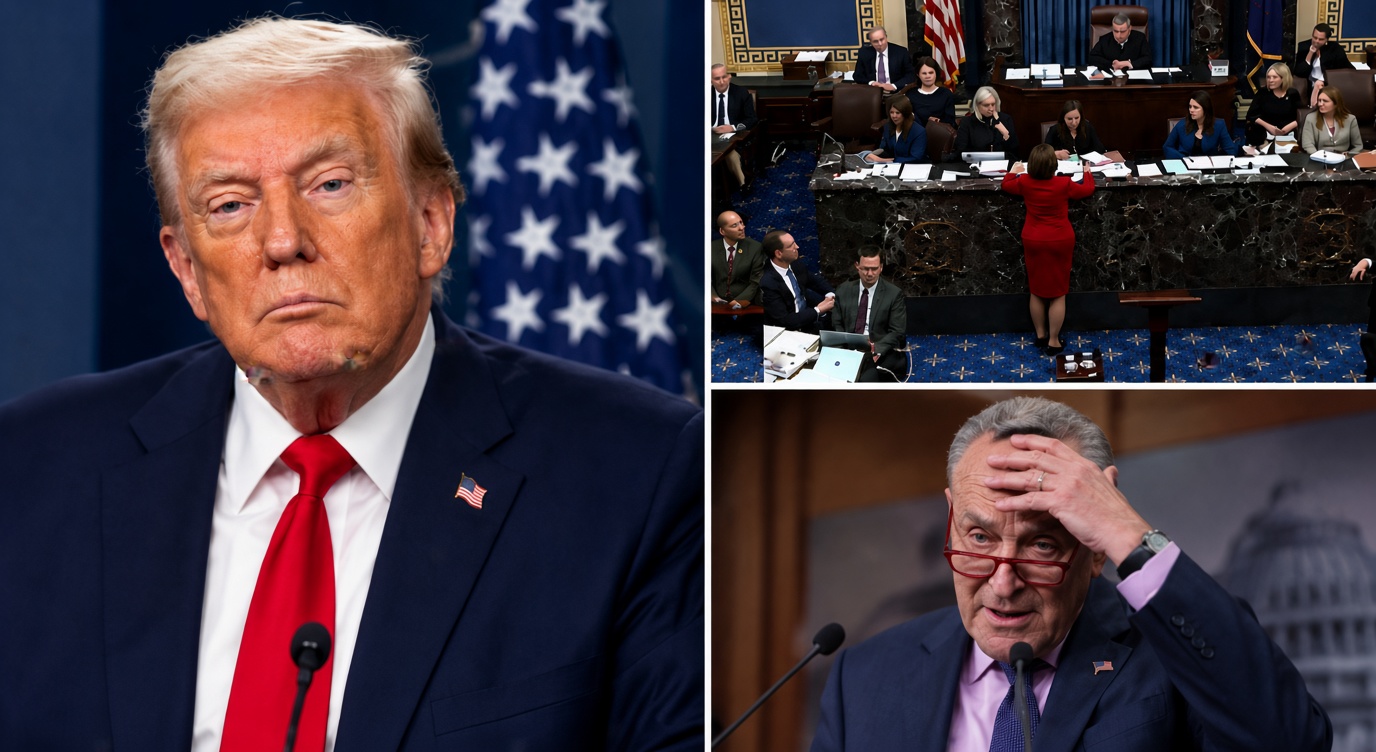
On Monday, the Senate moved closer to confirming Trump’s nominee to lead the nation’s intelligence community, advancing the nomination of Jay Clayton in a procedural vote that largely followed party lines.
The Senate voted 51-43 to advance Clayton’s nomination, setting up a final confirmation vote expected Tuesday.
Clayton, who served as chairman of the Securities and Exchange Commission during Trump’s first administration, narrowly advanced through the Senate Intelligence Committee last week in a 9-8 vote. Republican committee members backed his nomination, while Democrats opposed it.
Senate Majority Leader John Thune, Republican of South Dakota, urged Democrats to support Clayton during the final confirmation process. Thune acknowledged, however, that Democrats were likely to continue opposing many of Trump’s nominees.
“One might think that we’d be seeing some bipartisanship from Democrats on this nominee,” Thune said Monday.
He accused Democrats of using the same partisan approach they have taken toward many of Trump’s other nominees and pointed to the continuing uncertainty surrounding the nation’s intelligence leadership.
The vacancy has also become closely tied to the future of Section 702 of the Foreign Intelligence Surveillance Act, a surveillance authority used by U.S. intelligence agencies to gather foreign intelligence and combat terrorism.
After Gabbard’s departure, Trump appointed Federal Housing Finance Agency Director Bill Pulte as acting director of national intelligence. Pulte temporarily assumed responsibility for overseeing the Office of the Director of National Intelligence and the country’s 18 intelligence agencies.
Pulte has since implemented a series of personnel reductions within the intelligence office. Supporters describe the changes as an effort to streamline the agency and refocus its work on national security, while Democrats have criticized the moves and raised concerns about political interference within the intelligence community.
The political dispute intensified as Congress considered legislation to extend Section 702. Democrats had expressed concerns about Pulte’s leadership and his qualifications for the acting position, while Republicans argued that the surveillance authority was too important to national security to remain uncertain.
The disagreement contributed to the collapse of a bipartisan agreement that would have extended the program.
Pulte announced on X shortly before Clayton cleared his latest procedural hurdle that his office had completed another round of layoffs.
“Since becoming Acting Director of National Intelligence, our team has been smartly, and carefully, reducing the size of ODNI, re-focusing ODNI on national security, the law, and the statute,” Pulte wrote.
The dispute over Section 702 has significant national-security implications. Supporters of the program say it has provided intelligence that helped authorities identify and disrupt potential terrorist threats and other serious security risks.
One example frequently cited by supporters is an alleged mass-casualty plot targeting a Taylor Swift concert in Vienna, Austria, which authorities said was disrupted with the help of intelligence gathering.
Clayton’s nomination now moves toward a final Senate vote. If confirmed, he would take over the permanent DNI position and become the senior official responsible for coordinating the country’s intelligence agencies.
Democrats have continued to raise questions about Clayton’s record and his experience. During his confirmation hearing, lawmakers questioned him about the 2020 presidential election, his knowledge of matters involving Fulton County, Georgia, and reported actions associated with Gabbard. They also questioned him about subpoenas issued to New York Times reporters while he served as the U.S. attorney for the Southern District of New York.
Clayton’s supporters argue that his previous government experience, including his leadership of the SEC and his legal background, makes him qualified to oversee the intelligence community.
The Senate’s final vote will determine whether Trump gets his choice for the permanent intelligence chief and could also help determine the future of the intelligence community’s leadership at a time when Section 702 remains a major point of contention in Washington.