Karoline Leavitt Fact-Checks Media Critics While Highlighting Biden’s Press Record
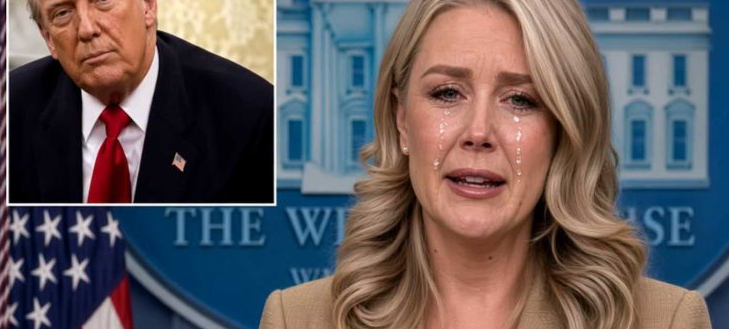
White House Press Secretary Karoline Leavitt defended President Donald Trump’s approach to media access, pushing back against criticism of changes to the White House press pool while drawing attention to former President Joe Biden’s record of press conferences and interviews.
Speaking at a media event hosted by Axios co-founder Mike Allen, Leavitt argued that the administration’s policy was intended to give more news organizations opportunities to cover the president rather than limit press access.
The exchange began when Allen questioned her about changes affecting the Associated Press, one of the world’s major news organizations. He highlighted the outlet’s global reach and referenced the widely circulated photograph of Trump raising his fist after the assassination attempt in Butler, Pennsylvania, captured by AP photographer Evan Vucci.
Allen asked whether the new restrictions could risk limiting important moments in presidential history.
Leavitt disagreed with the characterization of the changes as restrictions. She argued that a small number of established media organizations should not have exclusive advantages in the White House briefing room or the 13-member press pool that travels with the president.
“There are thousands of outlets who have White House press credentials,” Leavitt explained, emphasizing that many organizations regularly cover the administration.
She maintained that expanding opportunities for different publications would create a broader range of voices and increase access to presidential coverage.
Leavitt also argued that the public continues to receive information about the administration through journalists who attend briefings and report on the president’s activities.
Leavitt Pushes Back on Concerns About Press Independence
During the discussion, Allen cited a statement from the White House Correspondents’ Association expressing concern that the government should not control the independent media responsible for covering it.
Leavitt responded that the association’s leadership should not have the final say over which journalists gain access to the Oval Office or travel aboard Air Force One.
She insisted that the administration’s goal was to provide opportunities to a wider range of news organizations.
Leavitt added that even outlets critical of Trump remain welcome to cover the administration. She argued that the changes were not intended to favor particular political viewpoints but reflected the changing media landscape and the growing influence of digital news platforms.
According to Leavitt, Trump’s unconventional media campaign demonstrated the importance of reaching audiences through a wider variety of channels.
Biden’s Press Availability Draws Renewed Attention
The conversation also brought renewed attention to Biden’s record of interacting with journalists during his presidency.
An Axios report published in July compared the number of press conferences and media interviews conducted by recent presidents. According to figures cited in the report, Biden had participated in 164 engagements at the point examined, compared with 468 for Trump.
The same comparison listed 248 engagements for former President George W. Bush and 262 for former President Ronald Reagan.
These figures have contributed to a wider discussion about presidential transparency, media availability and the public’s ability to question elected leaders.
While Leavitt defended the administration’s approach to expanding press access, critics have raised concerns about whether changes to the White House press pool could affect journalists’ independence.
The exchange underscores an ongoing debate over how presidents should engage with the media, how access should be distributed among competing news organizations, and how the White House can maintain transparency while adapting to an increasingly diverse media environment.