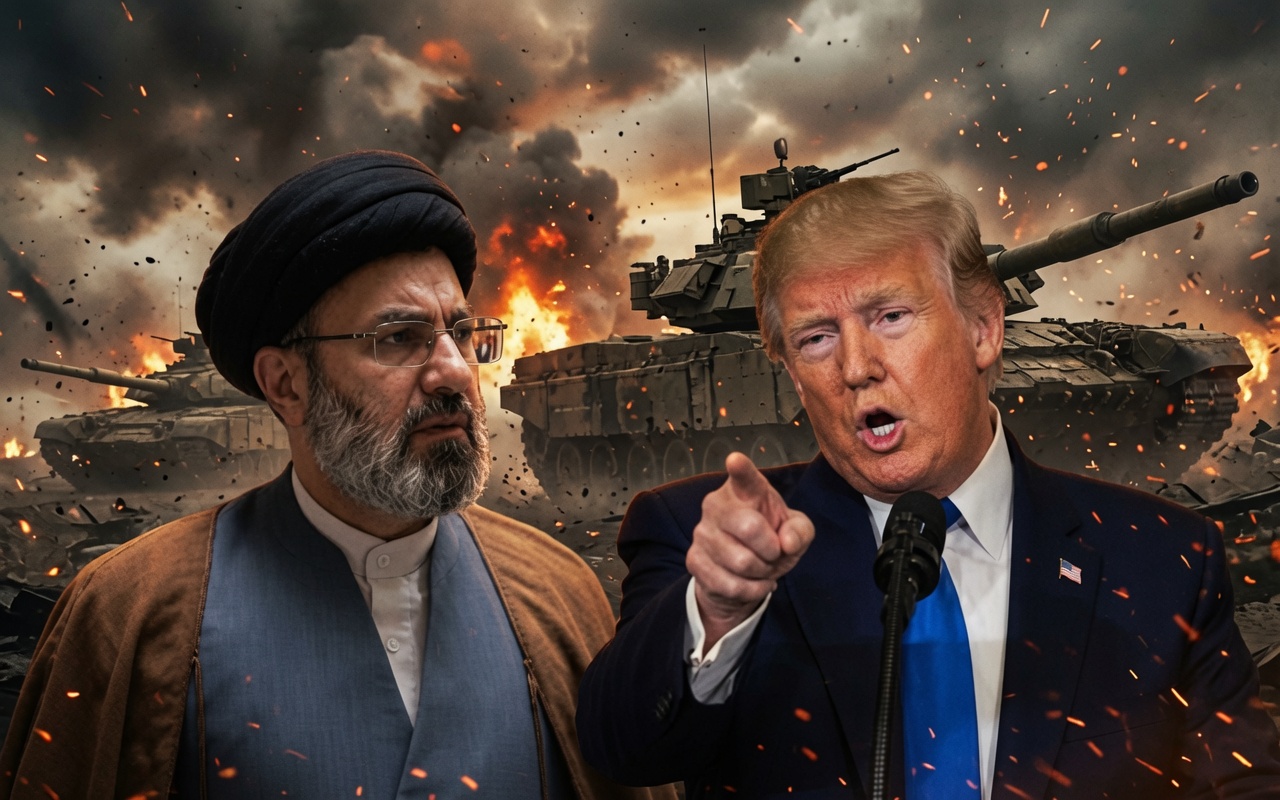
The Trump administration announced that high-stakes negotiations with Iran have advanced into a critical and potentially decisive phase, with U.S. diplomats working toward a comprehensive agreement addressing Iran’s nuclear program, regional security concerns, and freedom of navigation in the Middle East.
Led by President Donald Trump, Vice President JD Vance, and Secretary of State Marco Rubio, American negotiators are engaged in intensive discussions in Qatar. Officials describe the talks as aiming to establish a durable long-term framework that could significantly reduce tensions in the region while bolstering international security. Key priorities include strict limitations on Iran’s nuclear activities, guaranteed safe passage through the Strait of Hormuz—one of the world’s most vital maritime chokepoints—and the creation of a more robust accord than previous nuclear agreements.
During a recent visit to India, Secretary Rubio underscored the administration’s commitment to protecting international shipping lanes. “Unrestricted navigation through the Strait of Hormuz is essential to global commerce,” Rubio stated, adding that the United States prefers diplomacy but “is fully prepared to walk away if core national security objectives are not met.”
Diplomatic efforts continue alongside a strong U.S. military posture in the region. U.S. Central Command reported that American forces recently carried out targeted self-defense strikes against missile launch sites and Iranian naval assets near Bandar Abbas. Officials said the actions were taken after detecting imminent threats to U.S. aircraft and naval vessels, aimed at safeguarding American personnel and maintaining stability amid a fragile ceasefire.
Under the proposed framework, Iran would be required to eliminate its stockpile of highly enriched uranium, suspend uranium enrichment activities for an extended period, and submit to a comprehensive international verification regime. In return, the United States would consider selective easing of economic sanctions and certain maritime restrictions contingent on full Iranian compliance.
Administration officials have stressed that any final deal must surpass the 2015 Joint Comprehensive Plan of Action (JCPOA) in both scope and enforceability. They argue a stronger agreement is essential to permanently constrain Iran’s nuclear ambitions and promote lasting regional security.
Iranian officials have confirmed some progress while noting persistent challenges. Foreign Ministry spokesman Esmaeil Baqaei acknowledged that understandings were reached on several issues but highlighted “substantial disagreements” remaining, accusing the U.S. side of shifting positions at times during the talks.
Though no agreement has been finalized, both sides indicate that negotiations remain active. The next rounds of discussions are viewed as pivotal in determining whether diplomacy can yield a lasting deal capable of easing longstanding tensions and fostering greater stability across the Middle East.