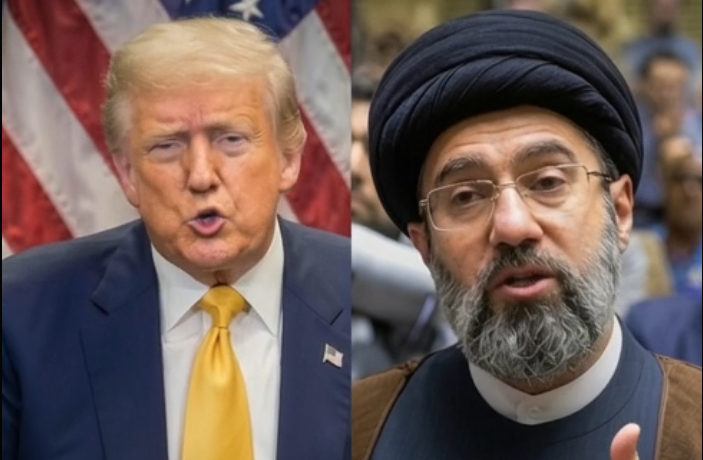
The Trump administration is pressing ahead with diplomatic efforts to reach a potential agreement with Iran, as U.S. and Iranian representatives continue talks in Qatar aimed at easing regional tensions and restoring stability across the Middle East.
Secretary of State Marco Rubio underscored the administration’s determination to reopen the Strait of Hormuz, a critical international shipping corridor that has been disrupted amid the recent conflict. Speaking during a visit to India, Rubio called the waterway indispensable to global commerce and declared that its prolonged closure is unacceptable for international trade. He confirmed that negotiators are developing the framework of a preliminary agreement while cautioning that further discussions will be required before any final deal can be finalized. Rubio reiterated President Donald Trump’s insistence on a strong and fully verifiable agreement rather than one achieved through compromise alone.
At the same time, U.S. Central Command reported that American forces carried out what officials described as self-defense strikes against missile sites and naval assets in southern Iran. Defense officials said the operation was designed to protect U.S. personnel, secure international maritime routes, and reinforce broader efforts to maintain a cease-fire.
Despite the limited military action, diplomatic channels have remained open. Iranian officials acknowledged progress on several issues but emphasized that substantial differences still stand in the way of a comprehensive agreement.
According to senior U.S. officials, the emerging framework would require Iran to significantly reduce its stockpile of highly enriched uranium, accept tighter restrictions on future nuclear activities, and fully reopen the Strait of Hormuz. In exchange, the United States would consider easing selected economic sanctions. Officials noted that technical details, robust verification procedures, and enforceable mechanisms remain under active negotiation as both sides work toward a durable, long-term understanding.
The parallel tracks of diplomacy and measured military response reflect the administration’s dual approach: applying pressure where necessary while keeping pathways open for a verifiable resolution that addresses nuclear concerns and regional security.