OREM, Utah — Conservative activist Charlie Kirk, the 31-year-old founder of Turning Point USA, was fatally shot while speaking at Utah Valley University on September 10, 2025. The killing shocked the country, prompted renewed scrutiny of security at political events and college campuses, and led to a criminal case that is now moving toward trial.
Kirk was participating in a student-sponsored event as part of his American Comeback Tour when he was struck by a gunshot during an outdoor question-and-answer session. He was transported to Timpanogos Regional Hospital, where he was later pronounced dead, according to the Utah Department of Public Safety. <escape>[1]</escape>
Shooting Triggers Emergency Response
The shooting occurred as Kirk was answering a question from an audience member about mass shootings in the United States. Video footage reviewed by news organizations showed the crowd reacting immediately to the gunshot, with attendees scattering for safety.
Investigators determined that the shot was fired from the rooftop of the nearby Losee Center building. The suspected shooter fled the area after the attack, and law enforcement agencies launched a search involving local police, state investigators and the FBI. Authorities subsequently recovered a bolt-action rifle believed to have been used in the shooting. <escape>[2]</escape>
The initial investigation involved some confusion over people detained for questioning. Utah officials later clarified that individuals initially taken into custody were not connected to the shooting based on the information available at that stage.
The investigation ultimately led to the arrest of Tyler Robinson, who was charged in connection with Kirk’s death. Prosecutors have alleged that Robinson carried out the fatal shooting, while the defense is entitled to challenge the evidence and present its case in court.
Criminal Case Moves Toward Trial
In September 2025, the Utah County Attorney’s Office formally charged Robinson with aggravated murder and other offenses related to the shooting. Prosecutors announced their intention to seek the death penalty if he is convicted.
The case advanced significantly in 2026. After a preliminary hearing in July and subsequent arguments, Fourth District Judge Tony Graf ruled on September 1 that sufficient evidence existed for the charges to proceed to trial. Robinson pleaded not guilty to all seven counts.
The judge’s ruling was a determination that the case could move forward, not a finding of guilt. Robinson remains entitled to the presumption of innocence, and prosecutors must prove the charges beyond a reasonable doubt at trial. A court hearing scheduled for October 23, 2026, is expected to address the trial schedule.

Campus Security Comes Under Scrutiny
The shooting also raised questions about event planning, access control and the protection of speakers at public university events.
An independent external review commissioned by Utah Valley University later identified inconsistencies in the implementation of existing safety policies before and during the event. The review examined planning decisions, communication between university personnel and event organizers, crowd management, and the handling of security concerns.
According to the university’s summary of the review, organizers and campus officials had discussed issues involving the outdoor location, anticipated attendance and access to elevated areas overlooking the speaking site. The report recommended clearer responsibilities, more consistent execution of safety procedures and improvements in emergency communication. It also stated that the review found no evidence that university employees or agents acted in bad faith or with willful and wanton disregard for safety. <escape>[4]</escape>
These findings have contributed to broader discussions about how universities should assess risks at politically contentious events while preserving opportunities for public debate and student participation.
Political Reaction and Personal Loss
Kirk’s death prompted reactions from political leaders across the country. President Donald Trump publicly praised Kirk following his death, while other public officials condemned the violence and emphasized the need to reject political attacks.
Kirk was a prominent conservative organizer who founded Turning Point USA in 2012. The organization became known for engaging students in conservative politics through campus events, public debates and political organizing.
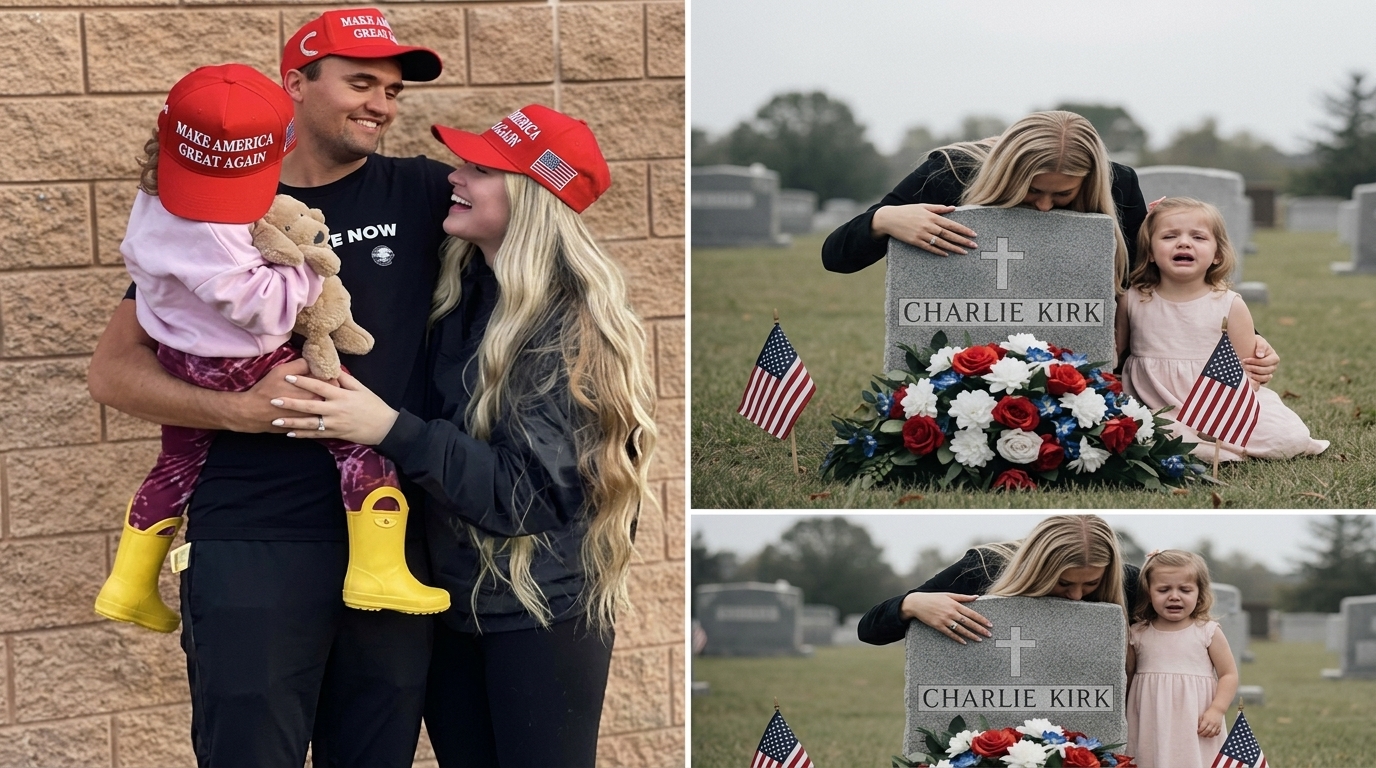
His death also left his wife, Erika Kirk, and their two young children grieving alongside other family members, friends and colleagues. The loss was felt throughout the organization he helped build, as well as among supporters who followed his public appearances and political commentary.
A Continuing Debate Over Political Violence
The case has renewed national attention on political violence, public-event security and the responsibilities of institutions hosting prominent speakers.
For university administrators, the incident has highlighted the importance of coordinating with event organizers, identifying potential vulnerabilities and establishing clear emergency-response procedures. For law enforcement, the ongoing prosecution underscores the importance of evidence-based investigations and judicial proceedings.
As the criminal case advances, key questions about the evidence and legal responsibility will be addressed through the courts. The university’s security review and the broader public debate will continue to shape discussions about protecting people at public events without undermining lawful expression.
Kirk’s killing remains a significant moment in American political life. The legal process will determine the criminal case, while the wider questions about campus safety and political violence remain matters of public concern.