President Donald Trump said Monday that new negotiations with Iran began after he called off a planned “massive” military strike that had been set for the weekend.
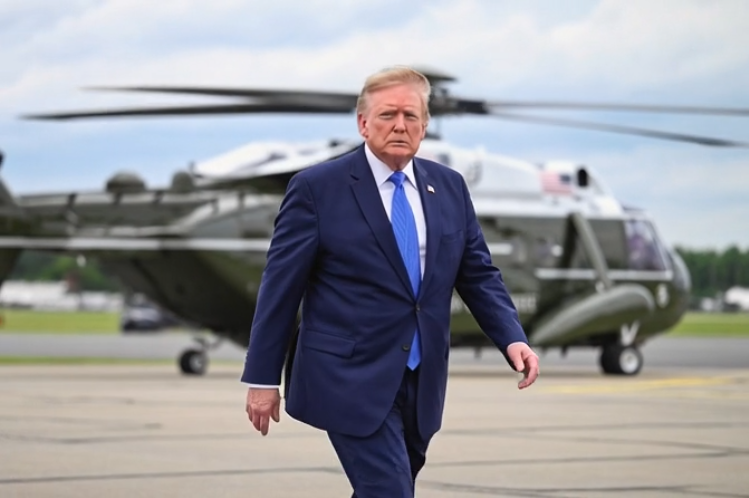
Speaking to reporters aboard Air Force One, Trump said appeals from key Gulf allies and from Tehran itself led him to stand down the operation. “I was asked to by Saudi Arabia, by UAE, by Qatar, and by Iran,” he said. “We were all set to go.”
Saudi Crown Prince Mohammed bin Salman spoke privately with Trump on Saturday. Trump recounted asking the crown prince whether he preferred a U.S. attack or a diplomatic path. The response, according to Trump, was clear: Gulf leaders preferred a deal because “you don’t know where these attacks lead.” Bin Salman also indicated that Iran appeared ready for a meaningful agreement covering the Strait of Hormuz and its nuclear program.
The administration has long demanded that the strategic waterway remain open and free of Iranian interference and that Iran be prevented from obtaining nuclear weapons. Trump expressed caution about the talks’ prospects, noting Iran’s history of mixed signals. “A lot of times they’ll say that to me, and then they’ll go out and say we don’t know what he’s talking about,” he said.
He set no artificial deadline but stressed readiness: “We’re ready to go anytime we want.” The decision to cancel the strikes came Saturday night after what Trump described as a framework for a potential deal taking shape. That announcement followed reports that U.S. and Israeli officials had examined options for targeting Iran’s energy infrastructure. Asked Sunday whether those sites were included in the planned operation, Trump declined to answer.
Tehran had previously warned that any assault on its energy sector would trigger retaliatory strikes against oil and gas facilities in Saudi Arabia, the United Arab Emirates, Qatar, and Israel. Administration officials have maintained that negotiations require an Iranian cease-fire first. “That’s the basis for any type of negotiation; it starts with a cease-fire, and it has to start with Iran,” a U.S. official said earlier in the week.
Trump’s approach combined military readiness with coordination among regional partners most exposed to potential escalation. Core U.S. demands remain unchanged: the Strait of Hormuz must stay free and open, Iran’s path to a nuclear weapon must be closed, and any serious talks begin only after Tehran commits to a cease-fire. For now, attention shifts to diplomacy, with American military options remaining available.